
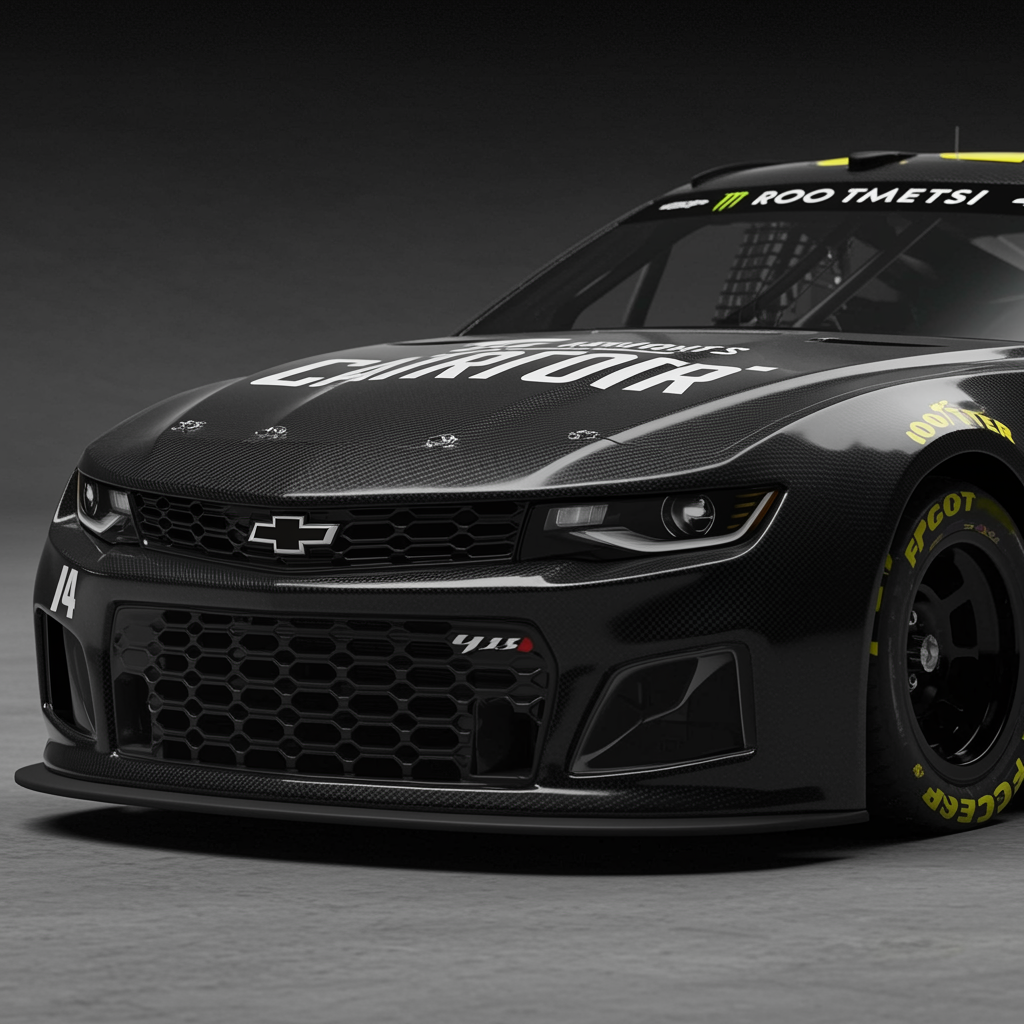
People constantly ask how much does a nascar car cost when they see these incredible machines roaring down the straightaway. Building one of these high-performance stock cars requires a massive budget and extremely advanced engineering. Students and racing fans can learn a huge amount about automotive science by looking at the specific price tag of every single component.
The Foundation Of The Machine
Racing teams no longer weld their own custom frames from scratch in a local shop. A central supplier provides a highly standardized steel tube chassis for every single team in the professional series. This basic skeleton provides the foundation for the entire build and costs roughly thirty thousand dollars.
Engineers design this frame to protect the driver during severe impacts at extreme speeds. The metal cage features specific crush zones that absorb kinetic energy during a wall collision. Builders inspect these steel tubes constantly to find hidden stress fractures after a grueling race.
Advanced Carbon Fiber Bodywork
Modern stock cars look like their street-legal counterparts but share zero actual body parts. Teams use lightweight carbon fiber composite panels to construct the entire exterior of the vehicle. These aerodynamic body parts cost roughly fifty thousand dollars per car.
Mechanics must buy these specific panels from approved manufacturers to maintain strict rules and fair competition. The lightweight material lowers the center of gravity and improves overall handling on the track. Teams spend thousands of dollars wrapping these panels in custom vinyl graphics for their corporate sponsors.
Building The High Performance Engine
The power plant represents the single largest financial investment for any professional racing team. Builders spend over one hundred thousand dollars assembling one naturally aspirated V8 engine. Most teams lease these motors from specialized engine building companies rather than creating them entirely in-house.
Engineers tune these engine blocks to produce nearly seven hundred horsepower depending on the specific track rules. Mechanics use specialized internal components forged from high-strength alloys to withstand extreme heat and friction. The fuel injection system alone requires precise calibration and extremely expensive electronic sensors.
Teams push these engines to their absolute physical limits during a demanding three-hour race. Mechanics must rebuild the entire motor completely after every single event to prevent catastrophic track failures. This constant maintenance cycle adds thousands of dollars to the weekly operating budget.
The Transaxle And Drivetrain Components
The modern stock car uses a highly specialized transaxle unit mounted directly in the rear of the vehicle. This specific layout improves the front-to-rear weight distribution and helps the car rotate through tight corners. A complete sequential transaxle system costs an estimated forty thousand dollars.
Drivers shift gears using a manual lever but no longer need to press a clutch pedal at high speeds. The internal gears feature straight cuts that handle massive torque loads without shattering under pressure. Teams replace the internal dog rings frequently because aggressive shifting wears them down very quickly.
Suspension Upgrades And Precision Handling
Independent rear suspension completely changed the way these heavy cars handle rough track surfaces. Engineers install custom billet aluminum control arms and incredibly complex shock absorbers. A full racing suspension package easily runs about twenty thousand dollars per vehicle.
Mechanics adjust the shock compression and rebound settings for every specific track layout. They use expensive laser alignment tools to set the exact camber and toe of all four wheels. Perfect suspension geometry separates the winning teams from the rest of the pack.
The True Cost Of Racing Tires
Tire consumption creates a massive and constant recurring bill for every team on the starting grid. A single racing slick costs roughly five hundred dollars from the official tire supplier. Teams burn through up to fifteen sets of tires during a single race weekend.
- Practice sessions require two or three dedicated sets of fresh rubber.
- Qualifying laps demand brand new tires to extract maximum grip and speed.
- The actual race consumes ten to twelve sets depending on caution flags and pit strategy.
Mechanics fill the tires with pure nitrogen gas instead of regular compressed shop air. Nitrogen maintains a highly consistent internal pressure when the rubber heats up to extreme temperatures on the asphalt. This precise pressure control helps the driver maintain lateral grip at two hundred miles per hour.
Braking Systems For Extreme Speeds
Standard steel brake rotors simply cannot stop a heavy stock car repeatedly without catching fire. Teams install massive carbon composite brake rotors and specialized six-piston aluminum calipers. A complete high-performance braking system costs around twenty thousand dollars per car.
Drivers rely heavily on these brakes when navigating tight short tracks or tricky road courses. The carbon material actually requires extreme heat to provide maximum stopping friction. Mechanics run massive air ducts directly from the front bumper to the brake rotors to prevent a complete system meltdown.
Safety Equipment And Driver Protection
Driver safety remains the absolute top priority for racing officials and team owners alike. The custom carbon fiber racing seat molds perfectly to the specific driver and costs several thousand dollars. Teams pour huge amounts of money into automatic fire suppression systems and impact-absorbing door foam.
You can always build another race car, but you can never replace a driver.
Drivers wear expensive fire-retardant suits, carbon fiber helmets, and highly engineered neck restraint devices. The cockpit features safety nets on both sides to keep the driver inside the protective cage during a rollover. None of these safety components last forever and teams replace them regularly to ensure maximum protection.
Advanced Electronics And Telemetry
Modern drivers rely on a full digital dashboard screen instead of traditional analog gauges. This computer display shows critical engine temperatures, exact lap times, and warning signals from race control. The central computer system and military-grade wiring harness cost another thirty thousand dollars.
Teams use hundreds of tiny sensors to monitor wheel speed, suspension travel, and throttle position. Engineers download this data during practice sessions to analyze exactly how the car performs. This telemetry equipment requires expensive software licenses and dedicated data engineers to interpret the numbers.
Weekly Operating Expenses And Logistics
Owning the physical car only represents the initial starting price for a professional racing team. Owners spend millions of dollars transporting multiple vehicles across the country every single week. Massive custom semi-trucks haul the cars, spare parts, and mechanical equipment to different states.
The team payroll includes mechanics, aerodynamic engineers, specialized pit crew athletes, and public relations staff. Owners also pay entry fees, travel expenses, and hotel accommodations for dozens of employees. Racing at this level requires a massive logistical operation that functions like a traveling circus.
The Importance Of Aerodynamic Testing
Engineers spend countless hours testing custom parts in highly advanced virtual computer simulators. They also rent incredibly expensive wind tunnels to perfect the aerodynamic drag profile of the vehicle. This critical research and development process costs millions of dollars before the car even touches the asphalt.
Aerodynamics completely dictate how a stock car behaves in dirty air directly behind another vehicle. Teams hire brilliant engineering students straight out of university to run these complex fluid dynamics simulations. Finding just a tiny fraction of aerodynamic efficiency easily costs hundreds of thousands of dollars in research time.
Total Price Breakdown By Category
Here is a simplified look at the major hardware expenses involved in building a single modern stock car. Engineering students can use these approximate figures to understand realistic automotive budgeting.
| Major Vehicle Component | Estimated Hardware Cost |
| Complete Racing Engine | $100,000 |
| Steel Chassis And Frame | $30,000 |
| Carbon Fiber Body Panels | $50,000 |
| Rear Sequential Transaxle | $40,000 |
| High Performance Brakes | $20,000 |
| Suspension And Steering | $20,000 |
| Electronics And Safety | $40,000 |
| Total Initial Build Cost | $300,000 |
Why Engineering Students Analyze Racing Budgets
Studying these massive costs gives students a highly realistic view of professional motorsport operations. You quickly realize that building a fast car requires technical brilliance and excellent financial management. Engineers must justify every single design choice by proving it adds measurable speed to the vehicle.
Speed Circuit provides this exact type of technical information to help future engineers learn the sport. We break down the complex intersection of mechanical physics and team economics. You can use these facts to fuel your own automotive studies and research projects.
Speed Circuit operates entirely as an educational resource for students and motorsport fans. We do not pursue any commercial goals or sell any automotive products. Our mission focuses purely on explaining the incredible science and engineering behind professional racing.