
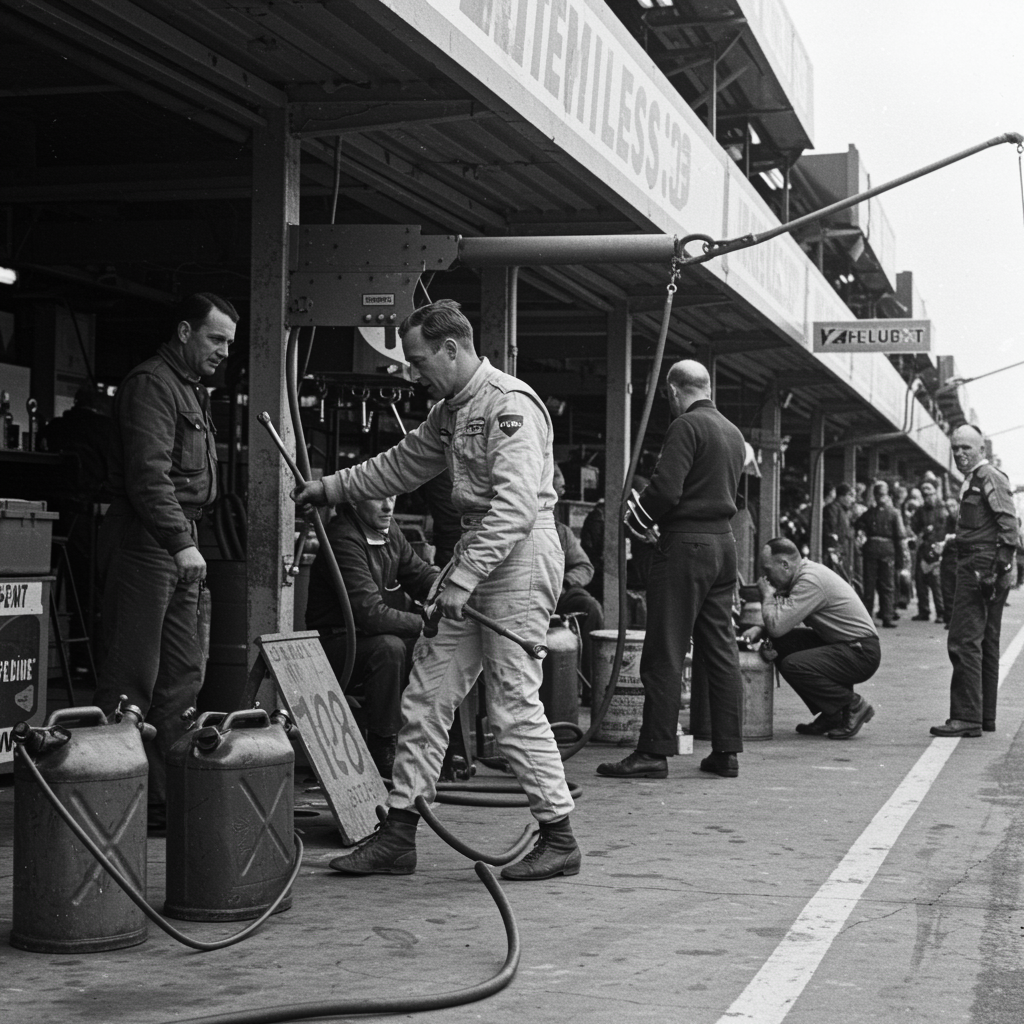
People still talk about the famous Ken Miles Le Mans run in 1966. He did much more than just steer a fast car around a track. He applied brilliant engineering principles to help Ford build a machine capable of defeating Ferrari.
Students and racing enthusiasts study this specific era because it represents a massive leap in automotive technology. Mechanics stopped relying purely on intuition and started using hard data to solve complex problems. Miles acted as the vital link between the scientists in the laboratory and the reality of the race track.
The Challenge Of Endurance Racing
Running a car at top speed for twenty-four hours destroys almost every mechanical component. Engineers in the 1960s faced massive hurdles regarding material durability and heat management. They needed a vehicle that could survive the brutal punishment of the French circuit.
The track featured a massive straightaway where cars reached completely uncharted speeds. Vehicles then had to brake heavily for tight corners. This extreme cycle of acceleration and heavy braking literally melted standard automotive parts.
Developing The Ford GT40
Ford decided they wanted to dominate international endurance racing. They built the GT40 with a massive seven-liter V8 engine to generate overwhelming power. However, having a massive engine created entirely new aerodynamic problems for the team.
The early versions of the car generated massive aerodynamic lift at two hundred miles per hour. The front wheels actually lifted off the ground completely. Test drivers refused to drive the car because it felt completely unpredictable at high speeds.
Ken Miles stepped into this dangerous situation to diagnose the aerodynamic faults. He drove the car at extreme speeds and reported exactly what the chassis did under pressure. Engineers used his direct feedback to design custom spoilers and air ducts that glued the car to the road.
Solving The Brake Failure Crisis
Stopping a heavy American V8 car from two hundred miles per hour requires massive friction. The standard steel brake rotors of that era could not handle the kinetic energy. They glowed bright red, cracked, and failed completely after just a few hours of racing.
The Heat Problem
Friction converts the forward motion of the car into extreme heat. The heavy Ford generated significantly more heat than the lighter Italian cars. Engineers had to find a way to cool the rotors down before they shattered.
The Quick Change Solution
The team realized they could not invent an indestructible brake rotor in time for the race. Phil Remington and the engineering team designed a revolutionary quick-change brake system instead. Mechanics could swap the entire hot brake assembly for a fresh one in less than a minute.
Miles tested this system relentlessly during practice sessions to ensure it worked perfectly. This specific engineering pivot ultimately won them the race. They bypassed the durability problem entirely by focusing on pit stop efficiency.
The Physical Toll On The Driver
Modern racing drivers sit in air-conditioned cockpits with advanced power steering. Miles wrestled a heavy, hot, vibrating machine for hours with raw muscle power. The cockpit temperatures routinely exceeded one hundred and thirty degrees.
Drivers inhaled toxic exhaust fumes and dealt with deafening engine noise. Miles maintained incredible focus despite these extreme physical conditions. He possessed a rare ability to analyze mechanical behavior while his body endured absolute torture.
The Famous 1966 Race Event
Ford brought an army of mechanics and spare parts to France that year. They intended to completely overwhelm the competition with superior resources and horsepower. Miles set a blistering pace right from the starting flag.
He broke lap records multiple times during the night hours when most drivers slow down. His intimate knowledge of the car allowed him to push it right to the absolute limit without breaking the engine. He essentially treated the endurance event like a twenty-four-hour sprint race.
Understanding The Controversial Finish
Ford executives decided they wanted a specific photograph for their marketing campaign. They ordered Miles to slow down so the other two Ford vehicles could catch up. They wanted all three cars to cross the finish line together in a dead tie.
Miles hated this corporate decision but eventually complied with the team orders. He waited for his teammates and they crossed the line in formation.
Officials then delivered a devastating technical ruling based on the starting grid positions. Bruce McLaren started further back in the pack than Miles did. The judges declared McLaren the winner because his car physically traveled a longer total distance over the twenty-four hours.
What Engineering Students Learn From Miles
You can learn incredible lessons by studying how Ken Miles approached testing and development. He understood that a fast car means nothing if it cannot finish the race. He focused heavily on reliability, drivability, and heat management rather than just raw horsepower.
His work proves that human feedback remains critical even when you have advanced telemetry data. A computer can tell you the suspension moves, but only a driver can tell you how the car feels. Engineering students must always remember the human element when designing high-performance machines.
| Engineering Focus | The Problem | The Miles Approach |
| Aerodynamics | Car lifted at 200 mph | Added specific airflow management tools based on feel |
| Braking | Rotors shattered from heat | Tested quick-change assemblies for fast pit stops |
| Powertrain | Engines blew under stress | Maintained precise RPM limits over long stints |
The Legacy He Left Behind
Tragedy struck just months after the famous race in France. Miles died testing the next generation of the Ford race car. A mechanical failure sent his prototype vehicle flying off the track at high speed.
Motorsport historians recognize him as one of the greatest development drivers to ever live. He turned a dangerous, unstable prototype into a world-beating champion. His dedication to testing and safety completely changed how teams approach car development today.
Our Educational Commitment
Speed Circuit operates exclusively as an educational platform for students and racing fans. We maintain zero commercial objectives and we never sell automotive parts or services. Our entire mission focuses on explaining the deep engineering and history behind professional motorsport.
In this service https://writepaper.com/do-my-homework trong focus on proper paraphrasing and source integration — no awkward quoting or dropped citations. Professors notice (and appreciate) the clean academic style.